
News
HOW CAN WATER CONSUMPTION IN TEXTILE PRODUCTION BE REDUCED?
Modern Water-Saving Technologies for Uzbekistan’s Textile Industry
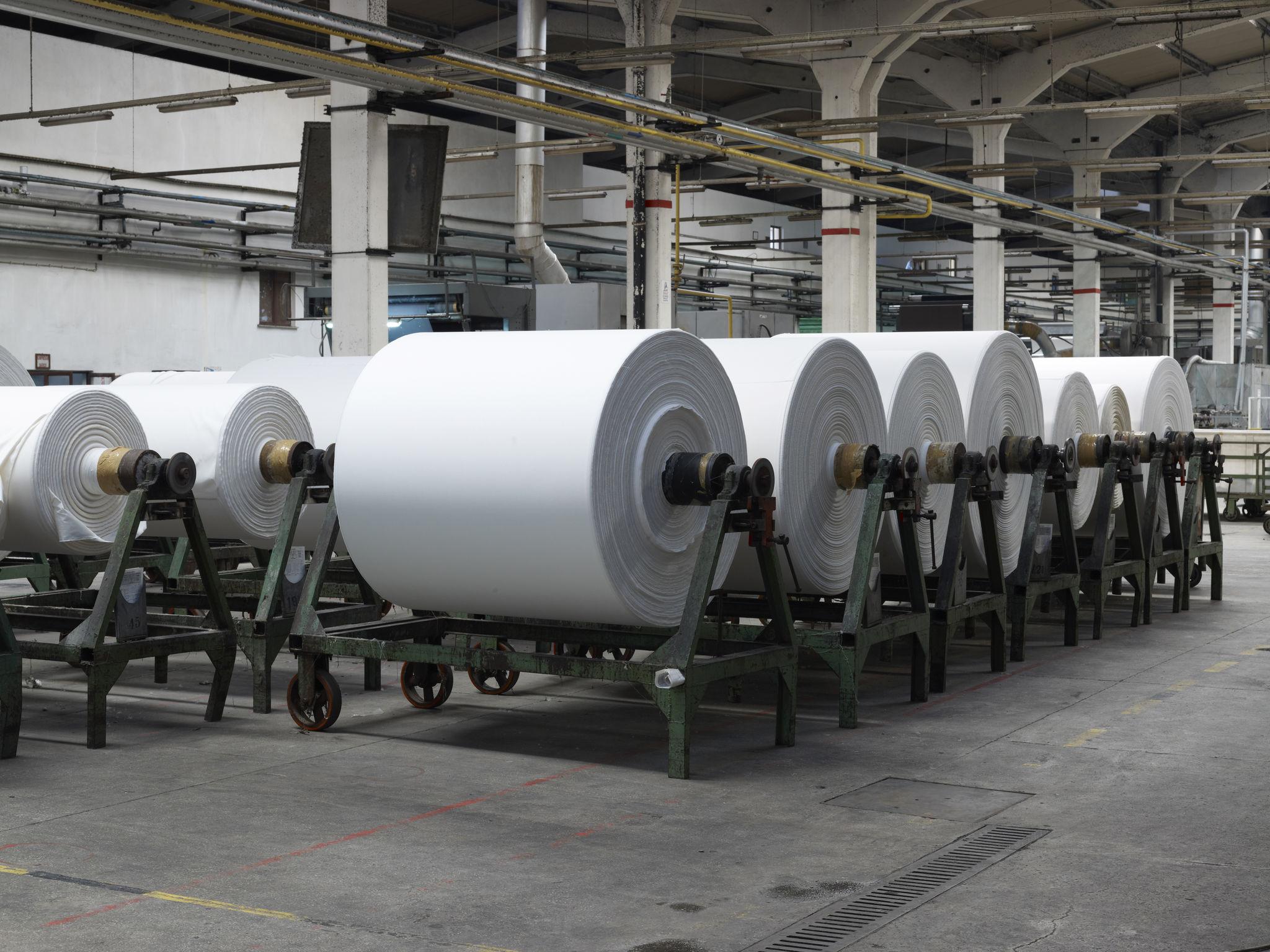
The deep processing of raw cotton and the production of finished fabrics are of significant economic importance to Uzbekistan. However, dyeing, bleaching and finishing processes can consume large amounts of water and chemicals.
An article by Barno Erkinovich Barnoyev, a researcher at the Presidential School in Bukhara, examines international technologies that can help reduce water consumption in cotton fabric production.
How much water is used to dye fabric?
Conventional dyeing technologies can consume up to 200 litres of water per kilogram of fabric. Repeated washing increases water and energy consumption and generates wastewater containing dyes and chemicals.
Four Water-Saving Technologies
1. Fibre Pre-modification
Cotton fibres undergo special treatment before dyeing. This can improve dye absorption and reduce the need for repeated washing. Some technologies have been reported to reduce water consumption by up to 90%.
2. Foam Dyeing
Instead of a liquid dye bath, specially formulated foam is applied to the fabric. This method can reduce water consumption by approximately 50–55%.
3. Ozone Bleaching
The use of ozone can reduce the need for certain chemicals used in conventional bleaching. The results depend on the type of fabric and the production conditions.
4. Supercritical Carbon Dioxide Dyeing
For dyeing certain synthetic fabrics, carbon dioxide under special conditions can be used instead of water. Water consumption can be reduced by up to 95–100%, but the technology requires expensive equipment and is not directly applicable to cotton fabrics.
Which Solutions Are Important for Uzbekistan?
When selecting technologies for local textile enterprises, it is important to consider the level of water savings, equipment costs and compatibility with existing production systems. Testing methods such as fibre pre-modification and foam dyeing under local conditions represents a promising area for development.
Before implementation, these technologies should undergo laboratory and industrial trials to assess their suitability for Uzbekistan’s cotton fibres, the dyes used and the quality requirements for finished products.
Conclusion
Reducing water consumption in Uzbekistan’s textile industry depends not only on cotton cultivation but also on fabric dyeing, bleaching and finishing processes. Adapting international technologies to local conditions can help reduce water and energy consumption and decrease wastewater volumes.
Source: Barnoyev, B. E. “Adapting Low-Water and Waterless Dyeing Technologies to Cotton Fabrics in Uzbekistan: Scientific and Technological Foundations and Practical Prospects.” Marketing: Scientific, Practical and Popular Journal, 2026, special issue, pp. 214–225.
Published:
Related material

News
EL-NINO TA’SIRIDA TINÇ OKEANI SUVI RANGI ÖZGARMOQDA
El-Nino Tinç okeani ekvatorial qismida suv haroratining kötarilişi va okean hamda atmosfera sirkulyatsiyasining özgarişi bilan keçadi.
News
SUV OMBORLARI XAVFSIZLIGI VA ULARDAN SAMARALI FOYDALANISH CHORALARI BELGILANDI
Bugungi kunda mamlakatimizdagi 56 ta suv omborining faqat toʻrttasida professional qutqaruv xizmati tashkil etilgan.

News
21-OKTABR – O‘ZBEK TILI BAYRAMI KUNI
1989-yil 21-oktabrda oʻzbek tiliga davlat tili maqomi berilgan.