Active
Sustainable Management of Water Resources in Rural Areas of the Republic of Uzbekistan
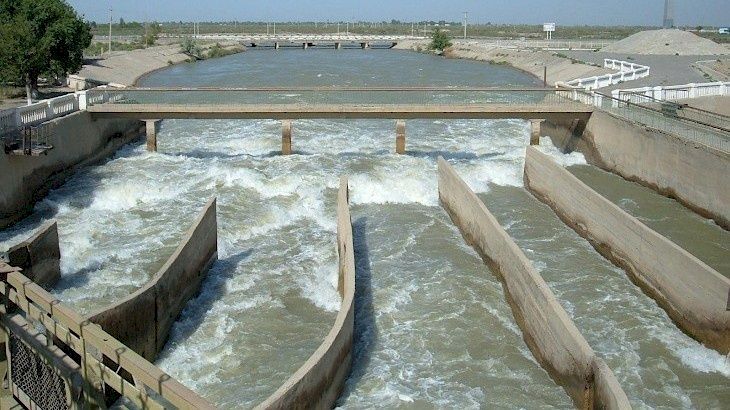
The project aimed to strengthen institutional and technical capacity for water resources management at the national, basin and farm levels, while raising awareness of the sustainable and efficient use of water and other related resources.
The project was implemented under the European Union’s programme on sustainable water resources management in rural areas of Uzbekistan, which aimed to provide additional support to Uzbekistan’s water sector through three interrelated components:
Component 1: National Water Resources Management Framework and Integrated Water Resources Management (IWRM).
Component 2: Strengthening Technical Capacity for Water Resources Management.
Component 3: Raising Awareness and Partnership for Sustainable Water and Environmental Development in Uzbekistan.
Component 1
The first component included a project focused on developing a national framework for water management and Integrated Water Resources Management (IWRM), implemented by the Deutsche Gesellschaft für Internationale Zusammenarbeit (GIZ) in cooperation with the Ministry of Water Resources of the Republic of Uzbekistan.
Key results and achievements:
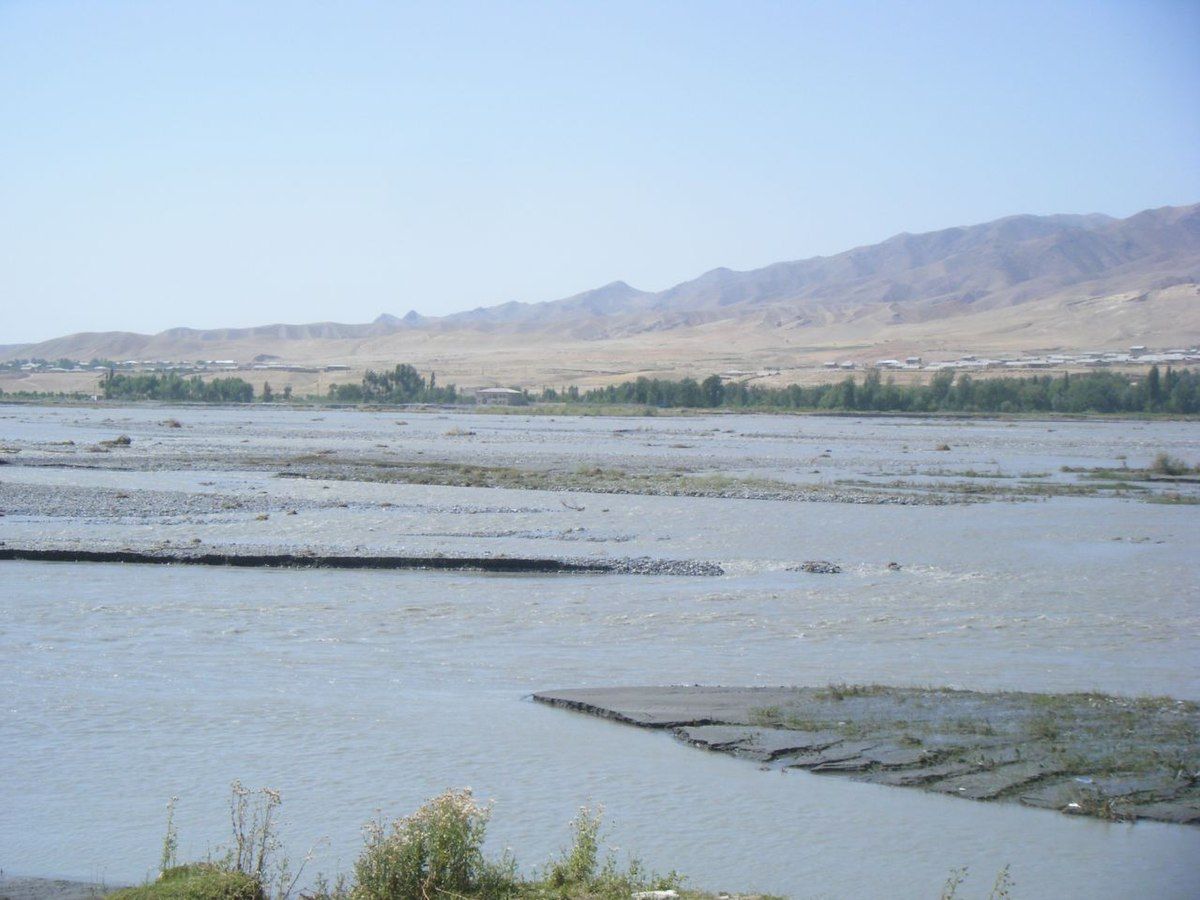
1. River basin management plans were developed for the Shahrikhansay River in Andijan Region and the Aksu River in Kashkadarya Region. A basin planning guide incorporating a methodology for basin planning in Uzbekistan and analytical reports on the two river basins were also prepared.
2. Elements of Strategic Environmental Assessment (SEA) were introduced into the river basin management process. Specialists were trained, and a roadmap was developed for integrating SEA elements into basin planning in Uzbekistan.
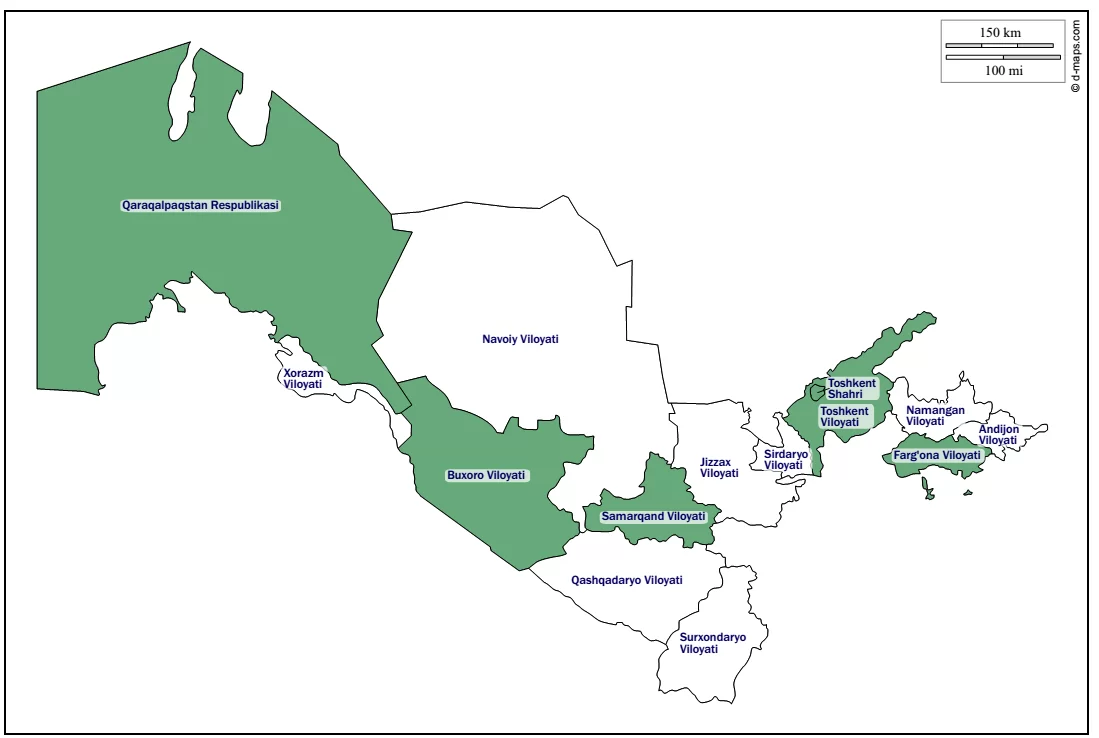
3. Needs assessments for water- and energy-saving technologies were conducted at selected demonstration sites within six basin irrigation system administrations in Andijan, Namangan, Fergana, Syrdarya, Kashkadarya and Surkhandarya regions.
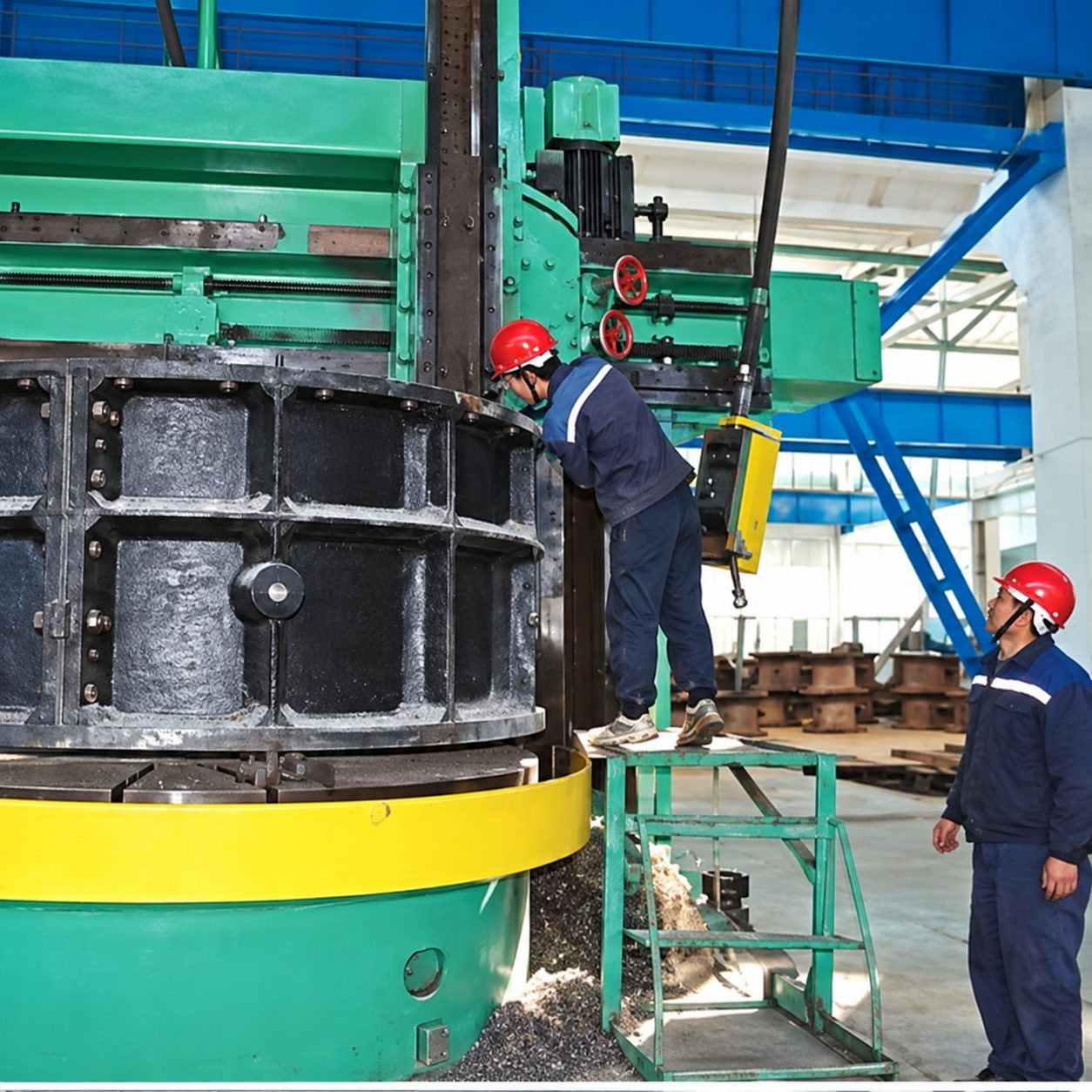
4. Based on the needs assessment, equipment was provided to support drainage water management and land reclamation activities, including 18 trucks, 6 excavators, 6 trucks equipped with loader cranes, 6 concrete mixers, 6 diesel generators, 6 mini tractors and 6 mobile pumping stations. A total of 720 hydrological monitoring posts were installed in the pilot areas.
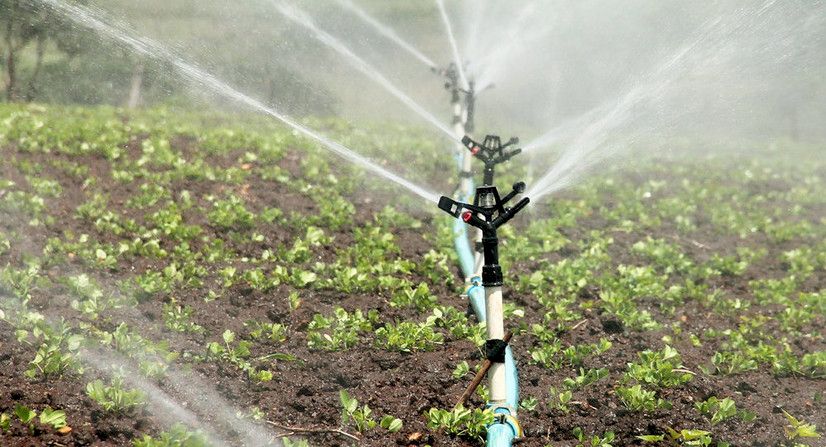
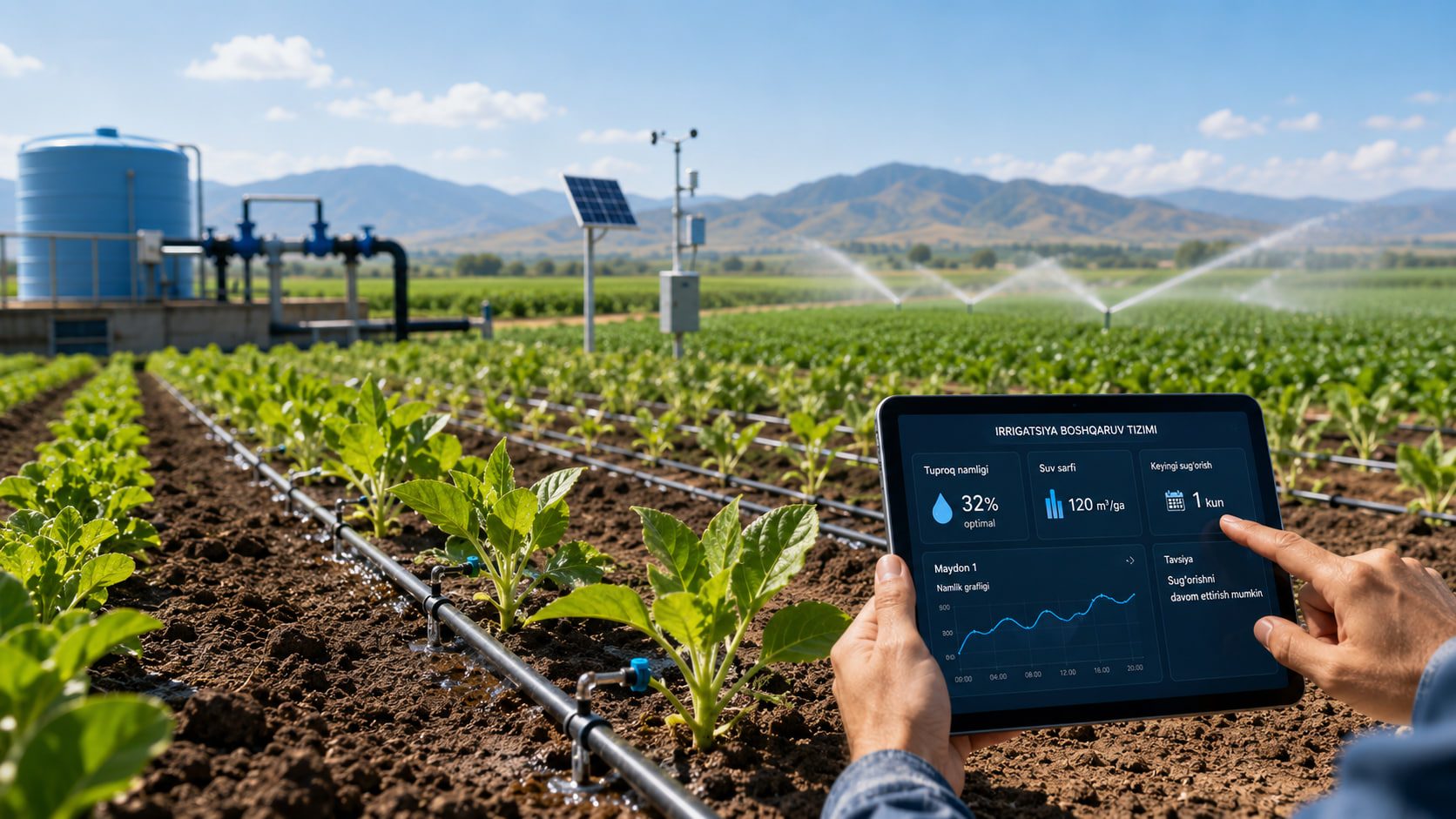
5. Demonstration orchards covering more than 60 hectares were established to showcase and share experience in water-saving technologies, including drip and sprinkler irrigation.
The Ministry of Water Resources of the Republic of Uzbekistan served as the programme’s principal partner in improving water supply and water-use efficiency at three levels:
At the national level — strengthening the legal and regulatory framework for effective water resources management and developing expert recommendations.
At the basin level — developing river basin management plans to support the allocation of water resources among different users and purposes, including environmental protection, human needs and flood management.
At the farm level — strengthening farmers’ capacity for efficient water use, introducing modern technologies and improved agricultural practices, and demonstrating economically efficient water management approaches.
Component 2
The “Strengthening Technical Capacity for Water Resources Management” component was implemented by the United Nations Development Programme (UNDP) in cooperation with the Ministry of Water Resources of the Republic of Uzbekistan.
Key areas of activity:
1. Strengthening the capacity and technical resources of national institutions responsible for professional training and capacity development.
2. Improving advisory mechanisms and strengthening the capacity of basin irrigation system administrations, irrigation system administrations, water consumer associations, farms, dehkan farms and local authorities in water management and efficient water use.
3. Developing and implementing a unified capacity-building model for stakeholders involved in water resources management, including training modules for water management professionals and water users.
4. Expanding cooperation with European Union institutions and experts, including scholarship programmes for master’s students and study visits for professionals and educators to learn from European best practices in water management.
5. Conducting baseline assessments of the economic, social and environmental conditions of local communities, developing pilot local development plans, and organizing training and seminars on best practices in water planning, use and conservation.
The component also envisaged practical demonstrations of water- and energy-efficient approaches at the local level. These activities were intended to support the development of local plans for sustainable water supply to households and dehkan farms.
Component 3
The “Raising Awareness and Partnership for Sustainable Water and Environmental Development in Uzbekistan” component was implemented by CAREC.
- Partner
- European Union
- Period
- 2016-2020
- Region
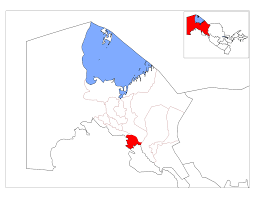
- Fergana, Namangan, Andijan, Kashkadarya, Syrdarya and Surkhandarya regions