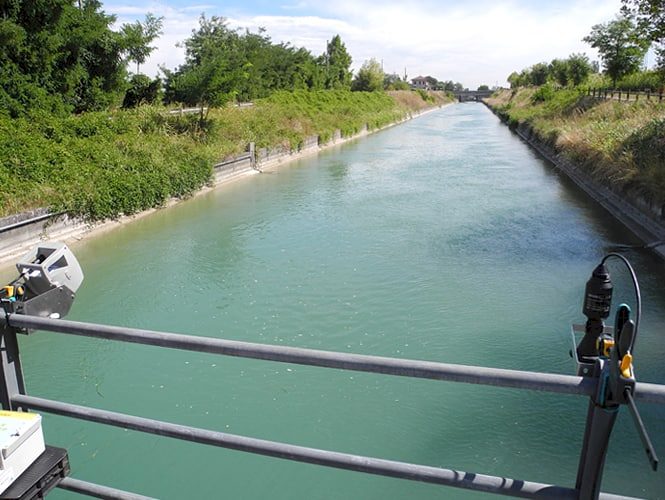
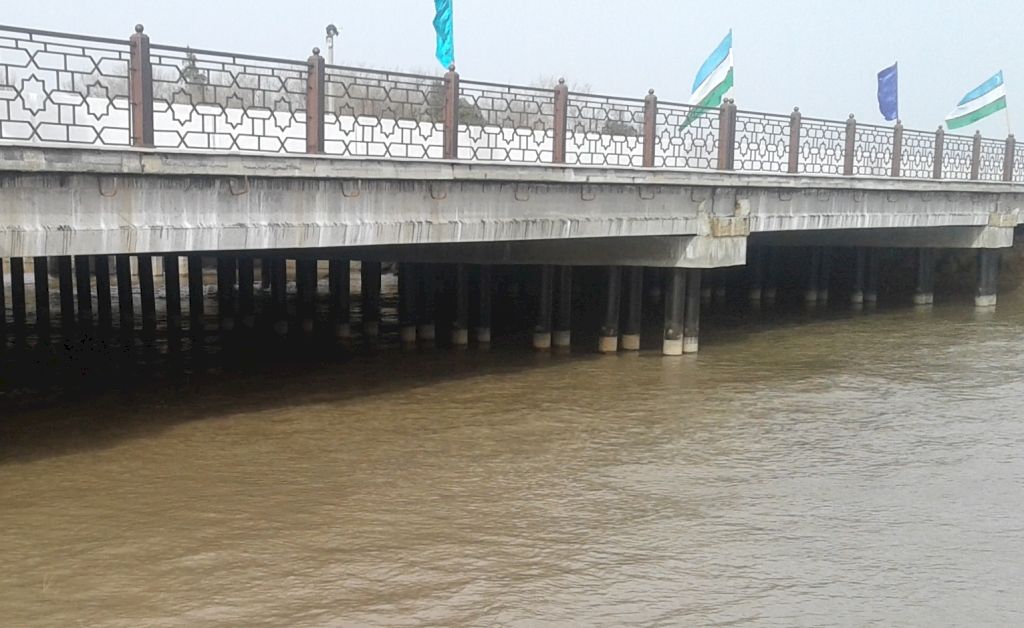
The objective of the project is to improve agricultural production in the project areas by addressing problems associated with high groundwater levels and soil salinity, while reducing damage to housing and infrastructure caused by waterlogging. The project seeks to address high groundwater levels through improvements to surface irrigation and drainage systems, as well as financing for the construction of horizontal and vertical drainage wells.
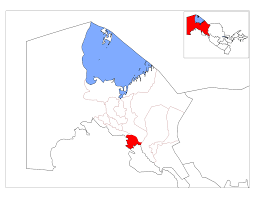
Project area: Bagdad, Rishtan and Altiariq districts of Fergana Region.
Total project cost: USD 81.04 million, including:
- World Bank credit financing — USD 65.54 million;
- contribution of the Republic of Uzbekistan — USD 15.5 million.
Implementing agency: Ministry of Agriculture and Water Resources of the Republic of Uzbekistan.
Implementation period: 2009–2016.
The project consists of three main components:
1. Improvement of irrigation systems and construction of drainage networks.
This component aims to address high groundwater levels by improving surface irrigation systems and constructing horizontal and vertical drainage systems.
2. Agricultural development and institutional support.
This component focuses on strengthening the institutional capacity of public and private organizations involved in water management, operation and maintenance of irrigation and drainage systems (I&D), and agricultural production within the project area.
It provides financing for training and study tours, the establishment of demonstration plots, the provision of field equipment, laboratory and computer equipment, office equipment, and the engagement of consultants.
3. Project management, monitoring and evaluation.
This component supports capacity building within the Ministry of Agriculture and Water Resources and the Project Management Unit (PMU) for project management, monitoring and performance evaluation. Support is provided through the procurement of goods, consulting services, project audits, training and financing of operating costs.
The project's key objectives are to:
a) promote sustainable irrigated agricultural production in Uzbekistan's Fergana Valley, increase employment and farm incomes through improved irrigation and drainage systems and integrated water resources management;
b) improve environmental conditions and public health by reducing waterlogging and damage to infrastructure, regardless of ownership, thereby contributing to improved living standards;
c) promote participatory management of irrigation systems through Water Users Associations (WUAs), improve agricultural and irrigation practices, and introduce measures aimed at increasing the profitability of agricultural production in the project area;
d) strengthen the institutional capacity of water management organizations responsible for irrigation and drainage.